
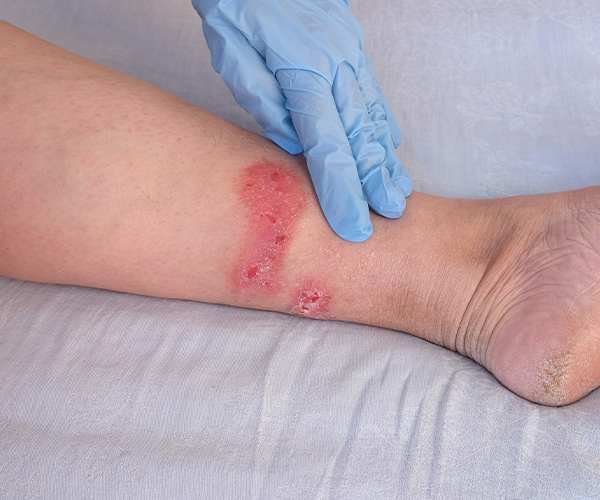
Read More About HBOT

UHMS Annual Scientific Meeting 2026
Hyperbaric Medical Solutions (HMS) has completed the expansion of its Manhattan clinic, adding a third oxygen chamber, a larger changing area, and additional entertainment options for patients.
Read More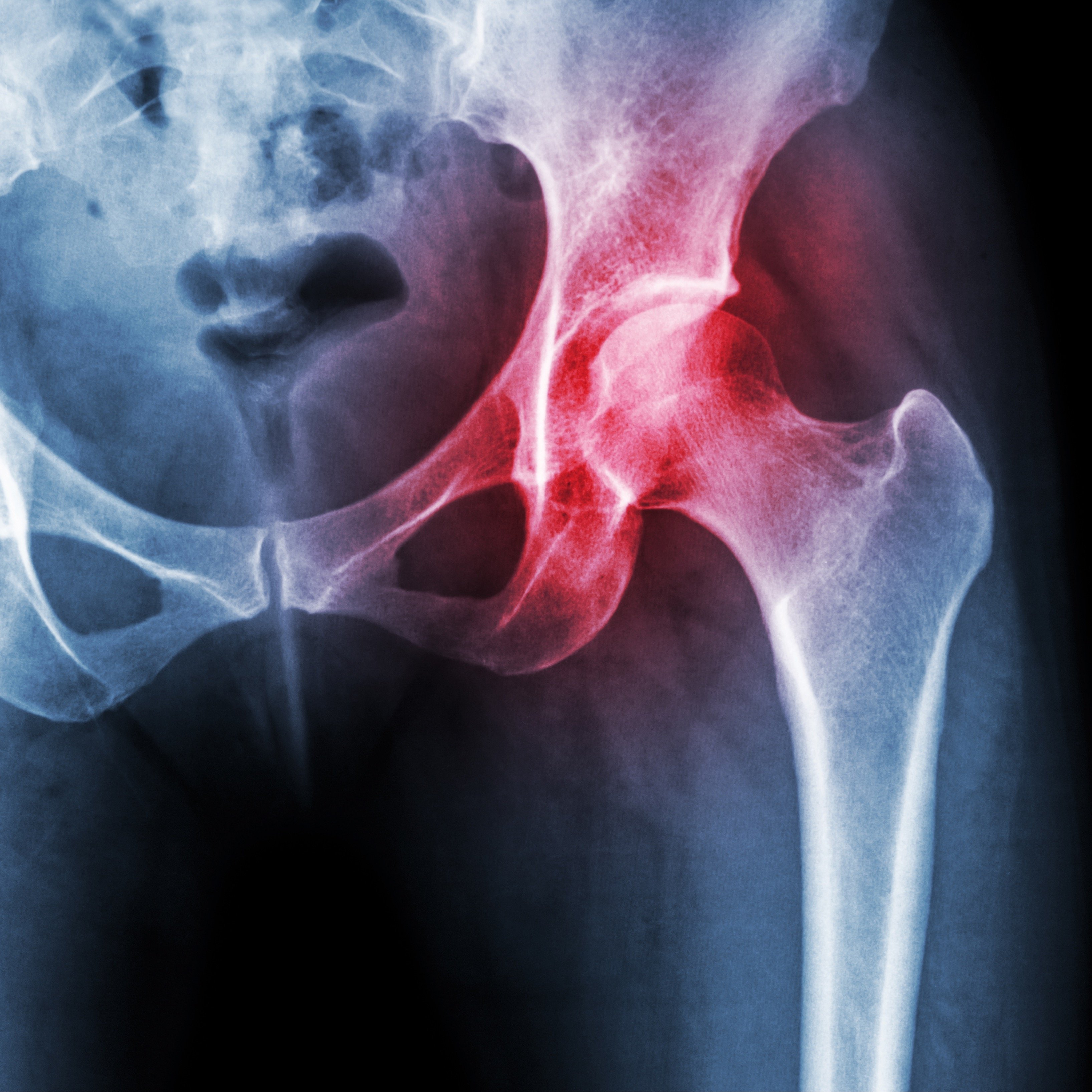
Hyperbaric Oxygen Therapy: A Game-Changer in Avascular Necrosis (AVN) of the Femur
Discover how Hyperbaric Oxygen Therapy (HBOT) revolutionizes the treatment of avascular necrosis (AVN) of the femur, offering a non-surgical path to bone rejuvenation and healing.
Read More
What to Look for in a Hyperbaric Oxygen Therapy (HBOT) Clinic
Looking for a safe, effective HBOT clinic? Learn what to look for — and why patients trust Hyperbaric Medical Solutions for medical-grade care.
Read More
Harnessing the Power of HBOT for Men's Health
Hyperbaric Oxygen Therapy (HBOT) can address common male and men's health challenges and improving overall quality of life for men.
Read More
Treating Radiation Damage with Hyperbaric Oxygen Therapy
Hyperbaric oxygen therapy is a safe, non-invasive treatment that targets and repairs damaged body tissue caused by radiation therapy.
Read More
Case Study: Delayed Radiation Effects Resolved with HBOT
In this case, Hyperbaric Oxygen Therapy helped a patient with delayed radiation damage from prostate cancer.
Read More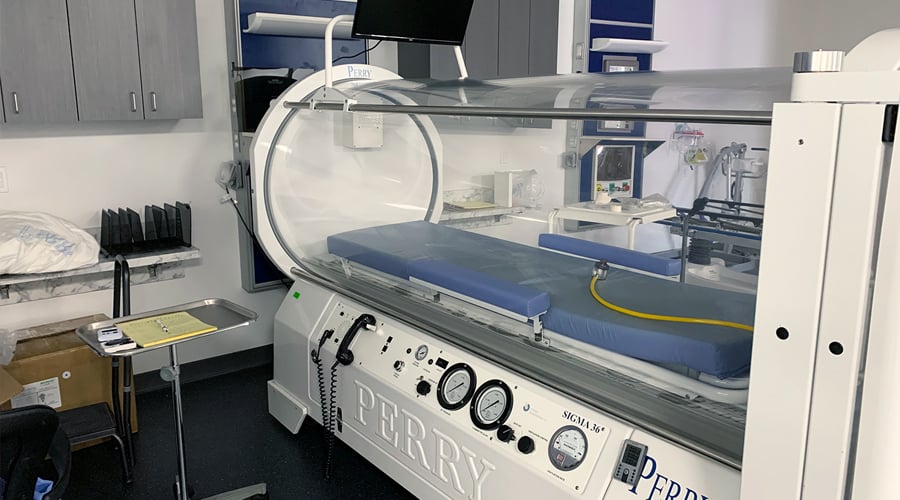
How Often Should You Do Hyperbaric Oxygen Therapy?
Learn how often you should do hyperbaric oxygen therapy sessions to get the best results for your health and healing.
Read More
Is Hyperbaric Oxygen Therapy Covered by Insurance?
Insurance coverage for hyperbaric oxygen therapy (HBOT). The FDA recognizes HBOT for 14 conditions, which are generally covered by insurance.
Read More
Types of Hyperbaric Chambers
There are two common types of hyperbaric chambers, monoplace—which holds one patient at a time—and multiplace, which can accommodate multiple patients at once.
Read More
How Much Does Hyperbaric Oxygen Therapy Cost?
The cost of hyperbaric oxygen therapy varies, depending on whether or not your insurance will pay for it, and the severity of your symptoms.
Read More